
And no, I don’t get a commission.
One of the most common questions I get about my metaphysical background is
“How did you learn all this stuff?”
Well, I unfortunately didn’t have a study guide, or any direction really. So just like the vast majority of people getting started in their craft, I shopped with my heart. And through the process I realized that there are a lot of really useless books out there. But there are some good ones too. There is no right place to start witchcraft. But hopefully these books give you a good jumping place to go off from. This isn’t a hard and fast list, I’m sure I will add more to this list as time goes on. But without further ado, let’s get into it.
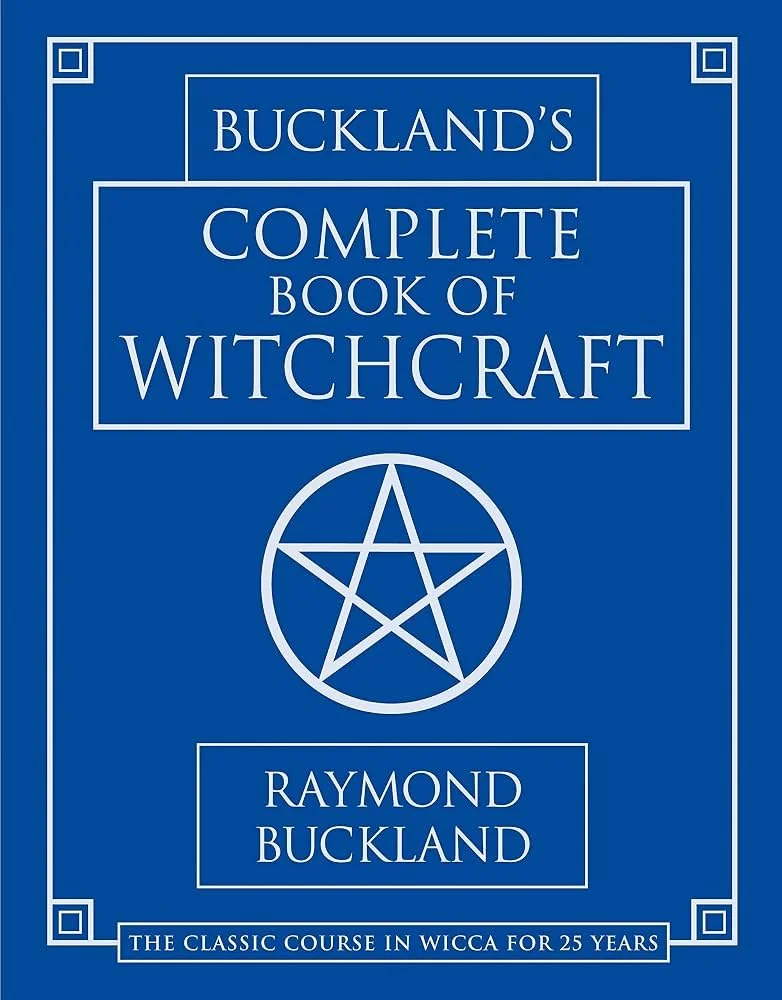
Buckland’s Complete Book of Witchcraft
by Raymond Buckland
This book was my starting point into the world of witchcraft. Written as a handbook for practicing Gardnerian Wicca, it covers the history of witchcraft (from a Wiccan perspective), initiation into Wicca, and provides a solid overview of different forms of divination, spells, tools, herbs, crystals, and more. Although this book was originally written to support someone on their journey into practicing Wicca, I think it is a very comprehensive resource for any budding practitioner. It gives you a broad overview of the many directions you can take in magick and allows you to get a taste of what interests you, ultimately helping you decide what you’d like to research further. Something I think is fun about this book is that each section has a ‘quiz’ at the end, so you can reflect on what you learned.
The only downside of this book is that it is geared specifically toward Wiccan practitioners and approaches magick through a Wiccan lens that I don’t necessarily align with. However, if you can separate the framework presented in the book from your own beliefs and appreciate it objectively, it is a fantastic resource.
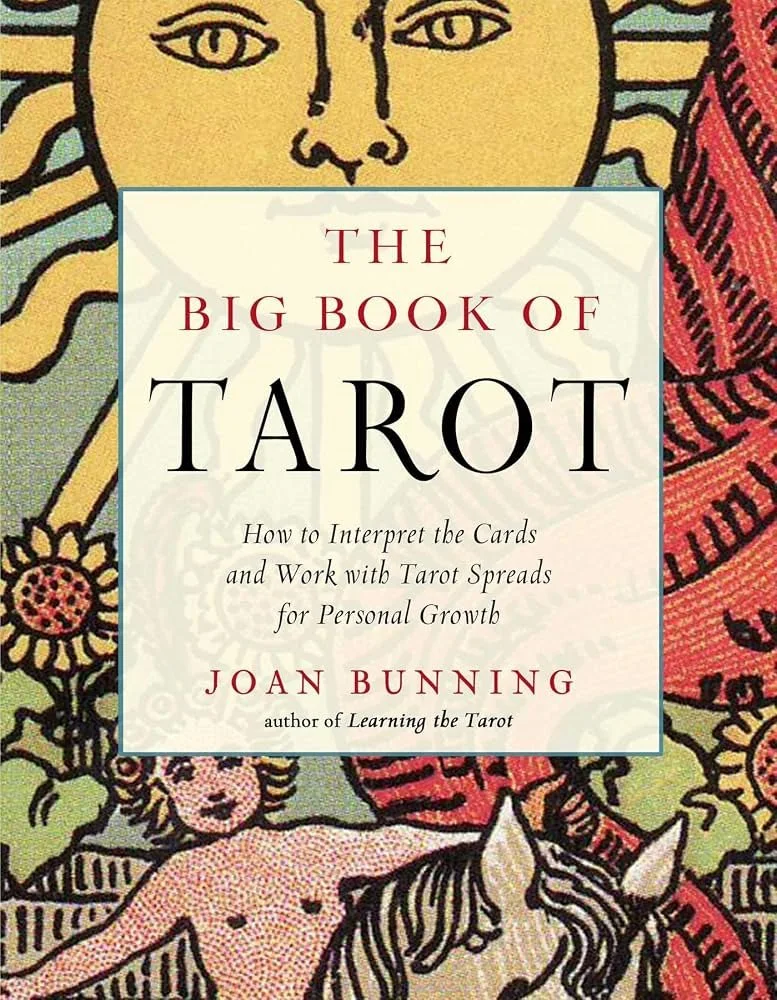
The Big Book of Tarot
by Joan Bunning
This is a really good starter book for reading tarot. It has 4 pages dedicated to every card. It covers keywords for both the upright and reversed meanings, provides you with a paragraph-style blurb about each card, and provides you with a list of cards that supplement and oppose any given cards meaning. It also covers the basics of creating spreads, understanding how energy moves through a reading, and more. I can’t say I have memorized this book by any means, but it makes a really nice quick-reference if you just want to flip to a page and get a gist of a cards meaning.
The downside of this book is that I don’t think it does a good job of covering the symbolism throughout tarot, which is what leads me to my next book.
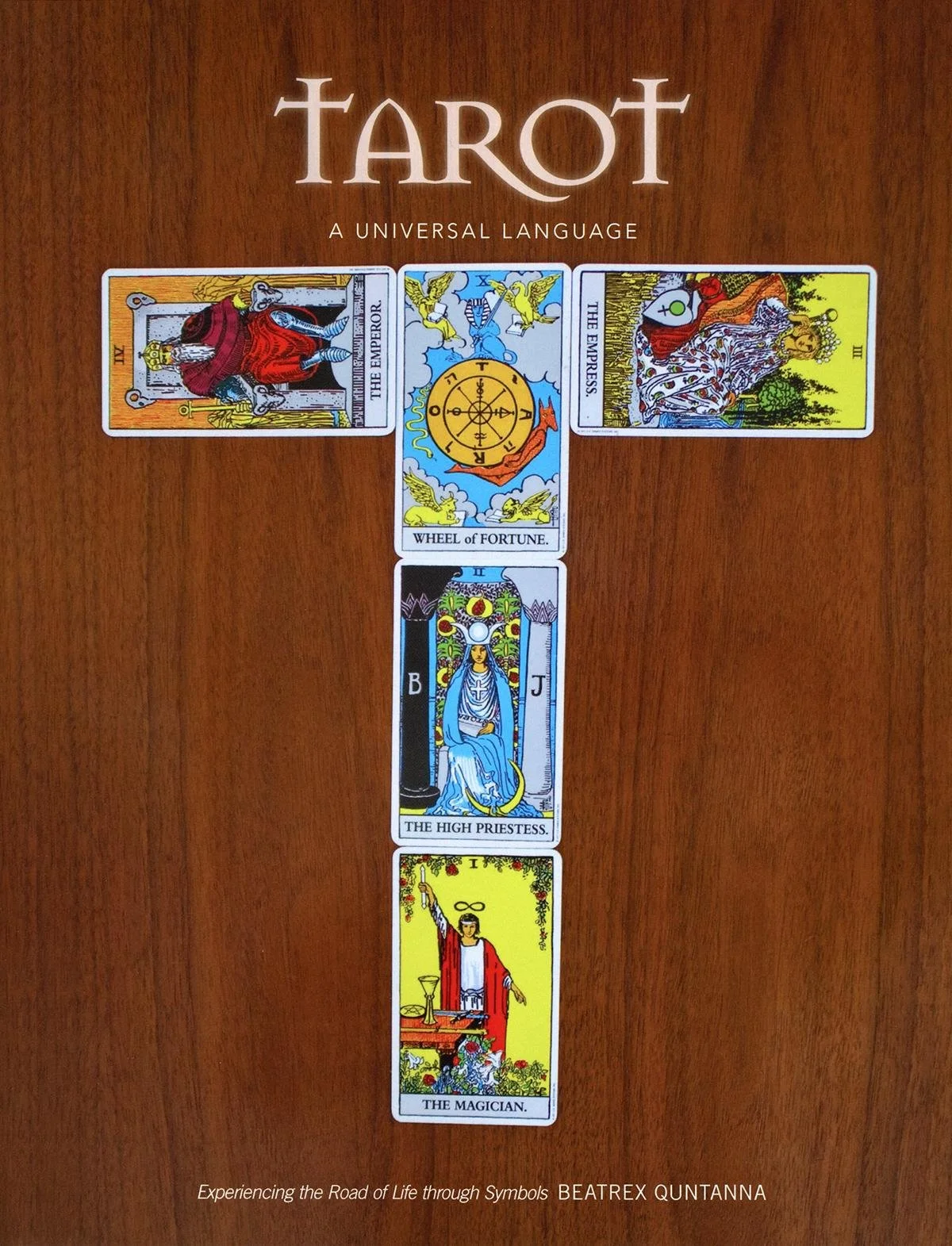
Tarot: A Universal Language
by Beatrex Quntanna
This isn’t a big name book out there, but it should be. This book was written by a woman local to San Diego, and it is argubly the best tarot book I’ve ever found. It goes through each card and uses arrows to point to symbolism on the card and explains to you what that symbolism means. I didn’t know this when I was starting out, but the symbolism on the tarot card actually tells you what the card means. But if you don’t know what you’re looking for and why it matters, it just looks like some random imagery. And how would you know that it wasn’t just random imagery, because very few books tell you what you’re looking at, they just tell you what the card means. If you are a visual learner, this book is a must-purchase.
There are absolutely no downsides to this book.
You can purchase it from her website at this link.
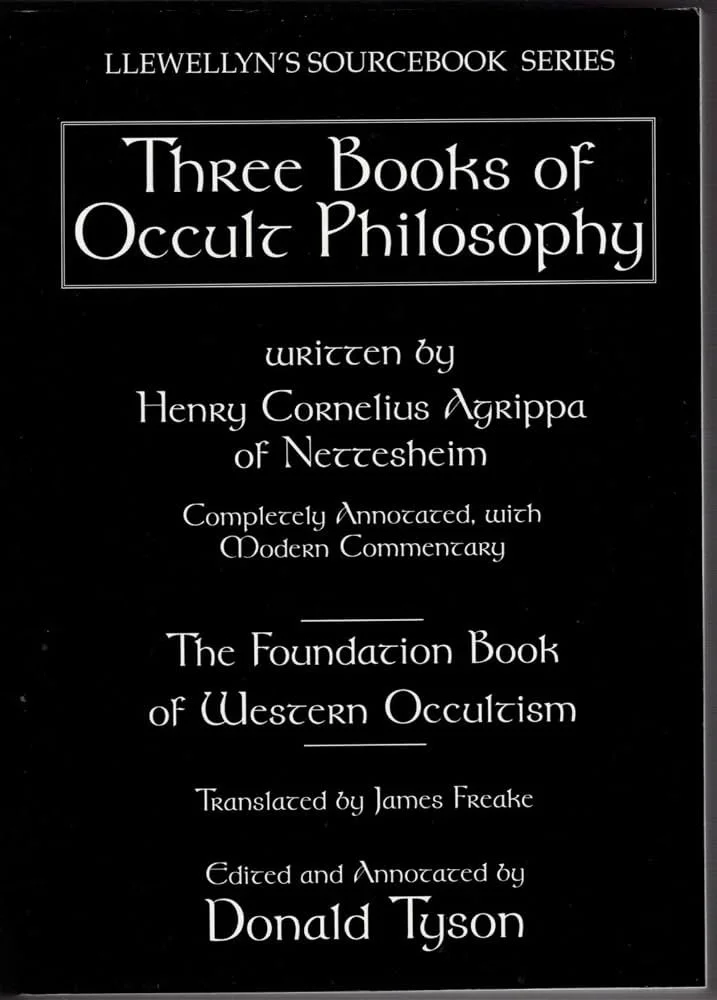
Three Books of Occult Philosophy
by Henry Cornelius Agrippa, Edited and Annotated by Donald Tyson
Now we’re getting obscure. If you read the Complete Book of Witchcraft and all of the correspondences for crystals, herbs, etc. and wonder where these correspondences came from, look no further than Three Books of Occult Philosophy. This book was written in the 1500s and serves as one of the most foundational and influential magickal textbooks of all time. Pretty much every new-age Western metaphysical practice bases its information out of the content in this book. I’m talking any practice from the Golden Dawn to Wicca and everything in between. Whether these practices outright attribute their philosophies to this book or not, the vast majority of what we understand about magick can be attributed to how this book outlines the function of magick.
The downsides to this book are that it is super content dense, and I haven’t even read and comprehended everything inside of it. This book was also written from the lens of an Abrahamic-religious individual, so there is a lot of God-speak in here, but it isn’t evangelical by any means. God is considered more of a concept than a person. It prioritizes explaining the systemization of magick, and isn’t going to give you spell recipes or immediately consumable information. And it’s written in old english so it kind of sucks to read. However, if you take the time with this book, you will begin to understand how magick works and not just that it works. And if you want your magick to work, you have to understand why it works. I specifically recommend the Tyson version because he has a very in-depth appendix that is indispensable and lacking in other versions.
Seven Spheres
by Rufus Opus
One of my areas of expertise is Planetary Magick, which is the practice of working with the 7 classical planets (Sun, Moon, Mars, Jupiter, Saturn, Venus) as celestial entities in themselves. For example, the planet Jupiter is known to correspond with qualities such as expansion, growth, and opportunity. So if I wanted new opportunity in my life, I might petition the planet Jupiter to open new doors for me. Planetary magick is a whole subgenre of ceremonial magick, and would take me a lot of time to try to explain in depth, so I’ll leave it to you all to look into it for yourselves if you’re interested in it. But I digress. This book overviews rituals that you can do to ‘initiate’ yourself into each of the planetary spheres, calling their influence into your life and creating a relationship with them. I have thoroughly enjoyed following along with this book and it is a great starting place for anyone interested in exploring planetary magick.
Modern Magick
by Donald Michael Kraig
If you want to get started in ceremonial magick, this is the book for you. Similar to Raymond’s Complete Book of Witchcraft, this book is also written in a workbook-style format, in which each section has a quiz section for you to test your understanding of the content. This book goes over a lot of information, and provides a lot of tutorials for different rituals that are commonplace in ceremonial magick, such as the Lesser Banishing Ritual of the Pentagram. Some of the chapters at the end of the book are a bit advanced in nature, and I certainly have no interest in all of the chapters and all of the rituals that are described. If you know you know. But weird-shit aside, it has some really good rituals you can try out and is probably my favorite introductory ceremonial magick book. I haven’t read the entire book, but I use the parts I have read quite regularly.
Cunningham’s Encyclopedia of Magical Herbs
by Scott Cunningham
This is arguably the gold-standard for herbal knowledge. I find this to be one of the most recommended books for both herbalism and magickal correspondences of herbs. I stupidly gave this book to a friend a few years ago, and need to grab myself a new copy, because the information in here is super helpful and it does give you a solid list of herbs to research and use in your practice. I’m sure there are other great herbal books out there, no doubt. Herbs just aren’t my area of expertise, and this book has been sufficient for me, providing me with enough information for my use of herbs for magick.
Buckland’s Book of Spirit Communications
by Raymond Buckland
I am not a Raymond Buckland devotee, don’t get it twisted, but the dude wrote great reference books. The Book of Spirit Communication is yet another great reference book to expand your thinking on the many different ways that you can communicate with spirit. Again, I stupidly gave this book away, but to be fair, I have found ways to communicate with spirit that work well for me and don’t think I need this book so much anymore. But when I was just getting started, I wasn’t aware that there were so many different ways you can communicate with spirit, and I definitely tried out several techniques that I learned from this book and it gave me some ideas of what I liked and what I didn’t like so that I could do further research elsewhere. Great book for a beginner who just doesn’t know where to start. You will get more information than you need in this book.
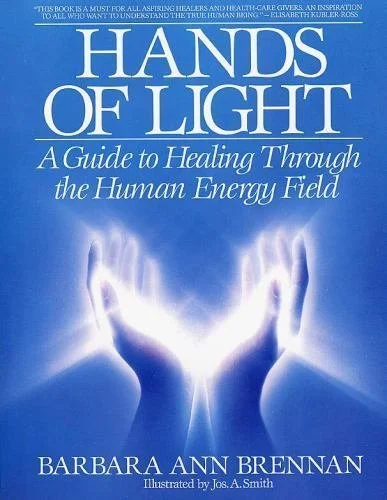
Hands of Light
by Barbara Ann Brennan
This is a great book for anyone interested in energy healing or energy work. I’m not super interested in those fields, but I was recommended this book a long time ago by someone who took my aura photo because she said I was ‘a master healer’ (sure, sounds great). So I got the book, and wow is it a lot to take in. This would certainly be another great reference book for anyone interested in reiki or reiki-adjacent work, so I put it here because it is very thorough and from what I read I felt it was well written and thoughtful.
I’m sure there will be more that I add to this list with time. This doesn’t even scratch the surface of all of the metaphysical books I have purchased and/or read, however, I feel like this list is a really solid and comprehensive starting place for a variety of different practice styles, and at the very least, you will get something out of any book you pull from this list. I tried to pick books that I felt gave you all the most bang-per-buck ratio, and these books certainly do that. All of these books will have something in them that sparks a new interest for you or shines some light on something you’d never heard of or want to try, and that way you can expand your practice further through your own research that suits the type of magick you’re interested in. Hope this was helpful!
